Uncovering the Aftermath: JPMorgan's Pursuit of Alleged ATM Exploiters
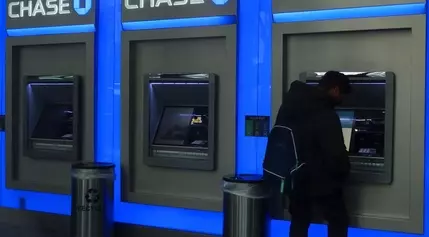
Exposing the Exploitative Scheme: JPMorgan's Crackdown on Alleged ATM Abusers
The Glitch That Sparked a Frenzy
In August, a technical glitch in JPMorgan's systems, dubbed the "infinite money glitch" by social media users, allowed customers to deposit counterfeit checks for large sums and then withdraw the funds before the bank could verify their authenticity. This loophole quickly gained attention, with videos celebrating the withdrawal of ill-gotten gains circulating online and heightening awareness of the exploit.The bank acted swiftly, patching the bug within days and launching an investigation into the incident. However, the damage had already been done, as the bank alleges that numerous individuals took advantage of the glitch to steal thousands of dollars from its ATMs.
JPMorgan's Legal Offensive
Determined to recoup its losses and hold the perpetrators accountable, JPMorgan has filed lawsuits in multiple federal courts against the individuals it believes withdrew the largest sums of money. In one case filed in the Southern District of Texas, the bank alleges that a "masked man" deposited a counterfeit check for 5,000 into a defendant's account, only to withdraw the vast majority of the funds before the check was returned as fraudulent. The bank claims the defendant owes Chase 0,939.47.Additional lawsuits have been filed in Miami and the Central District of California, with Chase alleging that defendants in those cases deposited fraudulent checks totaling over 6,000 and then began transferring substantial amounts of the ill-gotten funds out of their accounts. The bank is seeking the return of the stolen funds, plus interest, overdraft fees, and in some cases, punitive damages.
The Broader Impact of Check Fraud
The JPMorgan case highlights the broader issue of check fraud, which results in an estimated .6 billion in losses annually, according to Nasdaq's Global Financial Crime Report. In 2023, 80% of such fraud took place in the Americas, underscoring the widespread nature of this problem.As JPMorgan spokesperson stated, "Fraud is a crime that impacts everyone and undermines trust in the banking system." The bank's pursuit of the alleged exploiters is not just about recouping its own losses, but also about sending a strong message and ensuring that those who commit such crimes are held accountable.
Safeguarding the Banking System
The JPMorgan case serves as a cautionary tale for those who may be tempted to take advantage of vulnerabilities in the banking system. The bank's swift action and legal pursuit of the alleged perpetrators demonstrate its commitment to protecting the integrity of its operations and maintaining the trust of its customers.By actively cooperating with law enforcement and pursuing legal action, JPMorgan is sending a clear signal that it will not tolerate such exploitative behavior. This approach not only aims to recover the stolen funds but also serves as a deterrent to others who may be considering similar schemes.
As the banking industry continues to evolve and adapt to new technologies, the need for robust security measures and vigilance against financial fraud remains paramount. The JPMorgan case underscores the importance of proactive measures to identify and address vulnerabilities, as well as the crucial role that financial institutions play in safeguarding the banking system and protecting the interests of their customers.