Unmasking the Cyber Scourge: Protecting Yourself from Deceptive Computer Warnings
2025-10-27
40.6K
3.2K
1.4K
In the bustling community of Holland, Ohio, a troubling trend has emerged, with residents falling victim to sophisticated computer scams that have resulted in significant financial losses. These scams, often disguised as legitimate warnings from Microsoft Windows, have left many unsuspecting individuals vulnerable to the schemes of cunning cybercriminals.
Outsmarting the Tricksters: Navigating the Treacherous Terrain of Computer Fraud
The Anatomy of a Scam: Dissecting the Deceptive Warnings
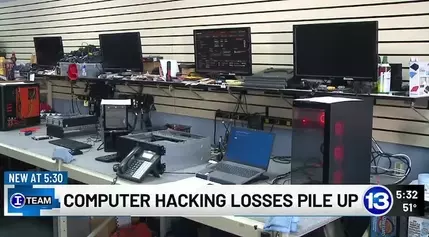
The scam typically begins with a warning that appears to be from Microsoft Windows, alerting the user to a problem with their system. This warning often includes a phone number that the victim is instructed to call for assistance. However, this number does not lead to Microsoft's support team, but rather to the perpetrators of the scam, who then gain access to the victim's computer and sensitive information."We have seen well over 0,000 in the past month and half of people that lost money," said John Baringer, of Virtual PCs in Holland. Baringer has worked with numerous individuals who have fallen victim to this scam, losing significant sums of money in the process.
The Evolving Tactics of Cybercriminals: Exploiting Online Vulnerabilities
The experts have observed that even legitimate websites are being targeted by these scams. As people increasingly turn to online shopping during the holiday season, the prevalence of these deceptive tactics is expected to rise."These are infected ads on web pages. You could be going to be web page and these pop-ups come up because there was an ad on the page that was infected," explained Baringer.
Safeguarding Your Digital Footprint: Strategies for Spotting and Avoiding Scams
The key to protecting oneself from these scams is to exercise extreme caution when encountering any computer-related warnings or requests for assistance. Experts advise against allowing strangers remote access to one's computer, especially over the phone."Never allow a total stranger access to your computer, especially over the phone. Stop talking to one right away if you are. Think about going to a professional to clean the computer if you've dealt with one in the past. They might still be inside," Baringer cautioned.Furthermore, individuals should be wary of the phone numbers they select when seeking assistance, as the first few results on Google may not lead to the legitimate Microsoft support team.
Empowering the Community: Raising Awareness and Fostering Resilience
The scourge of computer-related fraud has left a lasting impact on the Holland community, with residents grappling with the aftermath of significant financial losses. However, the experts are committed to equipping the community with the knowledge and tools necessary to navigate this treacherous landscape.By sharing their insights and experiences, they aim to empower individuals to recognize the warning signs of scams, take proactive measures to safeguard their digital assets, and ultimately, emerge as resilient and informed digital citizens.As the holiday season approaches and online activity surges, the need for heightened vigilance and collective action against these cyber threats has never been more pressing. Through education, collaboration, and a steadfast commitment to protecting the community, the battle against computer-related fraud can be won, one cautious step at a time.