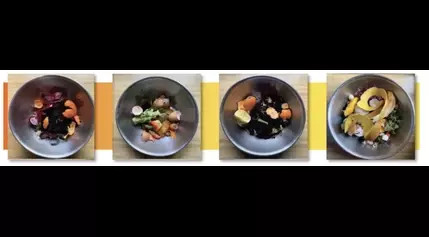
Scrap food waste, save money, and fight climate change with DEC
2025-10-27
1K
51
16
Vermonters Urged to Slash Food Waste and Save the Planet
This September, the Vermont Department of Environmental Conservation (DEC) is challenging residents to reduce food waste and greenhouse gas emissions through a self-guided Scrap Food Waste Challenge. The initiative aims to inspire Vermonters to rethink their food consumption habits and adopt simple strategies to prevent food from ending up in the trash.
Tackling the Mounting Food Waste Crisis, One Kitchen at a Time
Embracing the Waste-Not Mindset
The DEC Solid Waste Program is hosting the second annual Scrap Food Waste Challenge from September 9-30, urging Vermonters to take a proactive stance against food waste. "Thanks to the Universal Recycling Law, Vermonters already keep their food scraps out of the landfill by composting," says DEC Commissioner Jason Batchelder. "But preventing food waste altogether is even more impactful."The challenge aims to inspire participants to reevaluate their food consumption and storage habits. Small adjustments, such as storing leftovers in clear containers, checking the fridge before grocery shopping, and ensuring no forgotten items get lost in the back of the refrigerator, can collectively make a significant impact.
Tackling the National Food Waste Crisis
According to ReFED, a leading food waste solutions organization, consumers are the single biggest source of food waste in the United States, accounting for 37% of all wasted food. Of this, only 24% was deemed inedible, with the remaining 76% discarded due to spoilage, lack of appetite for leftovers, concerns over expiration dates, and cooking mishaps.The fact that so much food waste occurs at the consumer level, the end of the supply chain, is particularly troubling. The U.S. EPA, USDA, and FDA have set a national goal of cutting food waste in half by 2030, recognizing the immense environmental and economic implications of this endemic issue.
Saving Money and the Planet, One Meal at a Time
"When food that could have been eaten is trashed or tossed in the compost, all of the energy, hard work, and money that went into growing, processing, shipping, storing, buying, and serving the food are wasted," explains Alyssa Eiklor of the DEC Solid Waste Program.The Scrap Food Waste Challenge offers Vermonters a unique opportunity to not only reduce their environmental footprint but also save money. While individuals may feel they have little control over food waste upstream in the supply chain, they can wield significant influence over their own kitchens and consumption habits.
A Guided Journey to Curb Food Waste
Participants in the Scrap Food Waste Challenge will receive three email newsletters per week, providing tips and guidance on meal planning, strategic shopping, food storage, and use-up recipes. They can also follow along on social media, tracking their progress and learning from fellow Vermonters' experiences."I wouldn't be eating broccoli stems except from what I learned in the Scrap Food Waste Challenge," shared one past participant, highlighting the transformative nature of the initiative.By embracing the Scrap Food Waste Challenge, Vermonters have the power to make a tangible difference in the fight against climate change and the mounting food waste crisis. With simple, practical strategies and a renewed focus on mindful consumption, they can lead the way in creating a more sustainable, resource-efficient future.